
Policy Focus: Federal Government’s climate policy
The Australian Government released its climate policy for both emissions reduction and climate change adaptation on 18 September. This update provides a quick guide for each and information on how ALGA will be representing councils in the coming months.
Climate change adaptation
The Australian Climate Service released Australia’s first National Climate Risk Assessment (NCRA). The NCRA details the current impacts of climate change at 1.2°C warming on several “systems of national significance.” It details how these risks are projected to change under different climate warming scenarios of 1.5°C, 2.0°C and 3.0°C; and for three timeframes: current, 2050 and 2090.
This modelling supports the discussions many local governments are already having with their communities about how to manage these impacts, and the potential for making the best of new opportunities which may arise.
The Australian Climate Service has also released maps on how individual hazards are projected to change and a data explorer which you can inspect by Local Government Area.
ALGA is also seeking a dedicated webinar for local governments from the Australian Climate Service on the findings of the NCRA. Keep an eye on ALGA News for further details.
As ALGA’s Adapting Together report details, local governments are irreplaceable partners in adapting to climate impacts and protecting all systems of national importance, with particularly strong roles in health and wellbeing, infrastructure, natural environment and national security (via emergency management).
The governance chapter of the NCRA supports the call from local governments on the need for comprehensive support, finding that our decision-making and funding models are not keeping up with needs.
This need to evolve how decisions are made and how money is spent on to meet our changing climate is reflected in the National Adaptation Plan (NAP). The NAP aggregates a picture of current efforts across levels of government to enable adaptation.
The NAP says a new Action Plan will be developed over the next 12 months to evolve how levels of government and the private sector can improve collective decision making on climate risk. ALGA represents local government through this Action Plan process and at the Energy and Climate Ministers meeting.
ALGA will continue to advocate strongly for:
- A dedicated untied, non-competitive and long-term Adaptation Fund for local government.
- Climate risk tools, guides, and a voluntary reporting framework for local governments, which build upon the Commonwealth’s climate risk and opportunity management program (which is available for councils to use for free).
- Improved accessible data and information to support decisions.
Emissions reduction
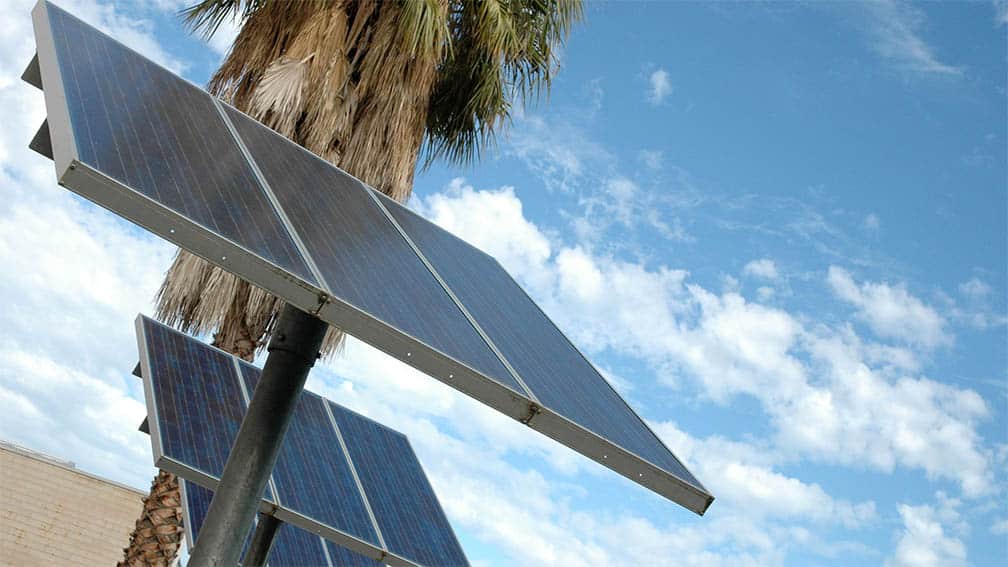
The Government also released its Net Zero Plan, along with sector emissions reduction plans. Some of the notable new policy commitments which relate to local government remits include:
- $40 million for kerbside EV charging infrastructure.
- $50 million for sporting and community clubs to improve lighting, install solar and batteries.
- Exploring new ways to incentivise uptake of low carbon liquid fuels, which may open opportunities for regional airports.
- Reviewing the Safeguard Mechanism which could capture more emitters, including landfills.
Investment in councils helps save communities’ money while increasing resilience to the changing climate.
More resources
- Australian Government’s National Climate Risk Assessment
- National Adaptation Plan
- Net Zero Plan
- Sector Emissions Reduction Plans
- Councils can access the Australian Government’s Climate Risk Tools for free. Email climaterisk@dcceew.gov.auto be added to their community of practice.
- Overview of ALGA policy positions on climate change in submission to the Climate Change Authority’s 2025 Issues Paper