
President’s Update – April 2026
What a difference a few weeks makes.
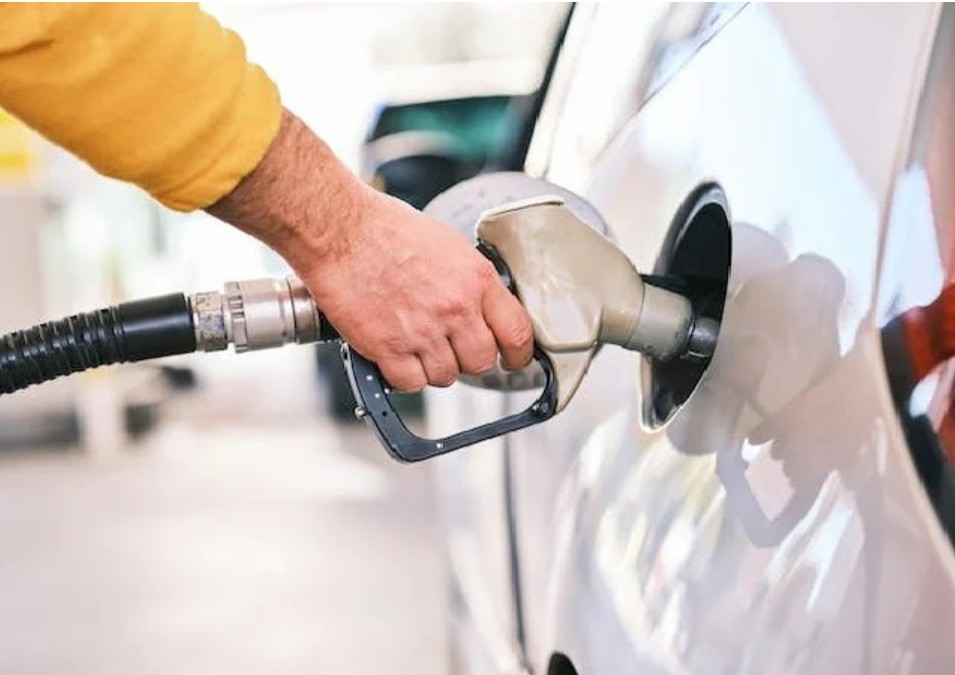
Wherever you are in Australia, the impact of global fuel supply issues is landing squarely at the local level. You don’t need us to tell you. Fuel pressures are being felt right across local governments right now. Councils in every part of the country are dealing with the same reality: fuel is harder to secure, and more expensive when you do.
I also want to acknowledge the additional pressure of floods and cyclone conditions on our councils across Far North Queensland, the Northern Territory and Western Australia. Cyclone Narelle is only the third storm system in recorded history to make landfall in three Australian states or territories. The storm impacts, coupled with fuel stress, have put a huge burden on helping your communities in their times of need.
Local government is where global fuel disruptions become local service challenges.
From roads to waste collection emergency response capability to food supplies out to the regions, fuel pressures are showing up in the day-to-day work councils deliver for their communities. We know councils are already managing tight budgets, and the current fuel volatility is adding another layer of pressure to essential service delivery.
I want to send my thanks to ALGA’s members – the state and territory local government associations – for the hard work they’re doing with councils in their own jurisdictions to provide important local feedback into state and territory responses to the Commonwealth. It is critical this on-the-ground feedback is heard.
I welcome the decision by National Cabinet to halve the fuel excise on petrol and diesel for three months, and to reduce the HVRUC to zero for three months, to help truckies continue their vital work to supply our communities.
ALGA is continuing to press the case at the federal level, ensuring local government is recognised as essential in both supply and support. We’re taking the realities directly into discussions in Canberra, making sure the pressures councils are facing are understood, and acted on, at the national level.
We are making one thing clear: councils are not on the sidelines of this issue. They are essential national service providers, and their operational needs must be factored into both policy settings and distribution decisions.
Fuel supply disruptions don’t sit in isolation—they flow through freight, agriculture and emergency response, with local government right at the centre of how those systems function on the ground.
Services that rely on fuel—road maintenance and urgent repairs, waste and recycling collection, water and sewerage operations, and community transport—are core to everyday community life. Many councils, particularly in regional and remote areas, are exposed to disruption due to reliance on just-in-time supply chains and a limited number of suppliers. At the same time, rising fuel and contract costs are placing real financial pressure on councils, with very limited capacity to absorb ongoing increases.
ALGA is continuing to press several core priorities:
- Recognition of local government as essential service providers in fuel allocation and supply decisions
- Avoidance of policy settings that unintentionally shift cost burdens onto councils
- Protection of road safety and infrastructure standards in the face of rising costs
- Safeguarding access to fuel and materials for emergency response and recovery
We’ll keep talking to the Ministerial offices and Commonwealth taskforces responsible for fuel supply and infrastructure, including at the Energy and Climate Change Ministerial Council. I will ensure council perspectives are part of decision-making at the highest level. I also joined ABC Radio National last week to talk about how councils are carrying the weight of global fuel disruptions.
This is a fast-moving issue, and we know the pressures on local government are real. In the meantime, councils are doing what they always do — keeping services moving. ALGA will continue to advocate strongly, so that the role of local government, and the challenges you are managing, are recognised and acted on.
I urge you to reach out for specific guidance for your state or territory:
- NSW – Please send your council’s fuel supply feedback to LGNSW at policy@lgnsw.org.au
- VIC – MAV Procurement recently held a ‘Managing Contracts through fuel market volatility’ webinar for Victorian councils – for more information contact procurement@mav.asn.au
- SA – LGA SA emergencymanagement@lga.sa.gov.au. SA councils can also fill out our impacts of fuel supply disruption survey: Impacts of local government fuel supply disruption
- WA – WALGA is holding a weekly meeting with Fuel Security State Controller, Rob Cossart to provide insights from Local Governments and will continue to stay central to the conversations and keep the sector updated as the situation progresses.
- The Department of Energy and Economic Diversification (DEED) continues to seek localised insights into supply availability and Local Governments are encouraged to send relevant updates via email.
- The State Government is also issuing a weekly fuel update which can be found here: WA Government Weekly Fuel Update.
- TAS – LGAT is collecting impact information from councils, providing regular updates to General Managers/CEOs, and is actively engaging with the Tasmanian Government. Current public information regarding fuel supply can be found on TasALERT
- NT – LGANT has reached out to member councils to request case studies and commentary on fuel supply impacts. A Teams Meeting has also been scheduled to provide an open forum for councils to share information and discuss issues on Wednesday 1st April 2026. For any questions, please contact ceo@lgant.asn.au