
Environment
Local governments play a vital role in protecting our local environment including places, flora and fauna.
Councils spend more money on environmental protection than any other level of government, according to SGS Economics and Planning. This analysis showed councils spent $6.75 billion in 2021-22 on biodiversity, biosecurity, water management, and waste management. By comparison, states and territories spent $6.62 billion, and the Commonwealth allocated $6.7 billion over the same period.
Local government is also essential in improving waste management and resource recovery to reduce pollution, maintain communities and keep people healthy. However, as the Australian Government recently reported, we are running out of viable landfill space and circular economy solutions are required.

Environment
Local governments are ideal partners for on-the-ground action to deliver environmental priorities and outcomes, but require better funding and support.
Councils bring a local, community-based and integrated approach to managing environmental issues, including weed and pest management, monitoring and protecting threatened species, contributing to water security and enhancing biodiversity.
ALGA is asking the Federal Government to:
- Fund councils to support the delivery of national environmental outcomes. This includes outcomes stipulated in international conventions, threatened species action plans, matters of national, state, and local environmental significance, and any new obligations/expectations under reforms to the Environmental Protection and Biodiversity Conservation (EPBC) Act.
- Fund local governments to manage environmental threats, including pests, weeds, and biosecurity threats.
- Ensure local government is appropriately recognised and engaged through environmental law reform processes.
- Seek agreement, under the National Water Initiative, on the overarching social, cultural, economic and environmental outcomes and goals for water on a national and holistic basis, and action planning and funding and achieve these outcomes and goals.
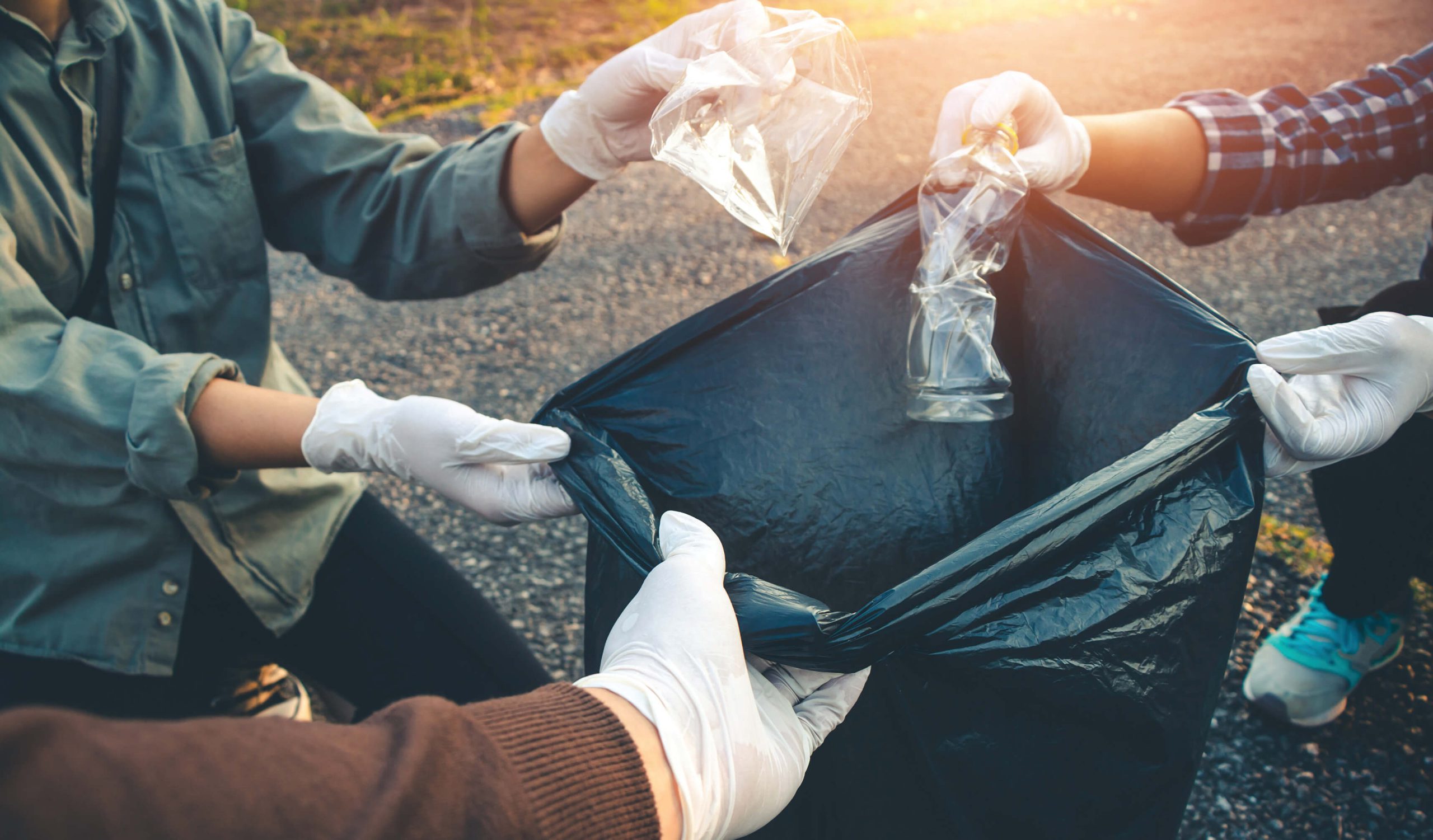
Waste management and resource recovery
Collecting, treating, and disposing of waste costs local governments an estimated $3.5 billion annually.
The 2022 National Waste report showed waste generation has increased 20 per cent over the last 15 years (8.3 per cent from municipal waste). Since 2006-07, recycling and recovery of Australia’s core waste has increased by 57 per cent however Australia continues to have one of the lowest rates of recycling among OCED countries.
The onus and cost for waste reduction in Australia should be borne by industry, and not local governments.
Mandatory product stewardship, including payments to local governments for any residual resource recovery services, should be implemented to ensure the producer responsibility is operationalised and the cost and risk burden on councils and residents is reduced.
ALGA is asking the Federal Government to:
- Establish a mandatory product stewardship approach for waste materials and ensure product stewardship schemes include, and are effective, in regional and remote areas.
- Ban the importation and manufacturing of products containing identified contaminants.
- Prioritise national policy attention to waste streams with the highest potential to improve environmental outcomes, reduce costs to local government, and create economic opportunity.
- Introduce a ‘local government impact assessment’ into national waste policy and reform processes to ensure council interests are systematically incorporated into policy design.
How we represent local government
ALGA represents and advocates for local government by participating in the following groups:
- Environment Ministers’ Meeting
- Water Ministers’ Meeting
- Interjurisdictional Kerbside Harmonisation Working Group
- Resource Recovery Reference Group.
Our submissions and reports
Other policy priorities

